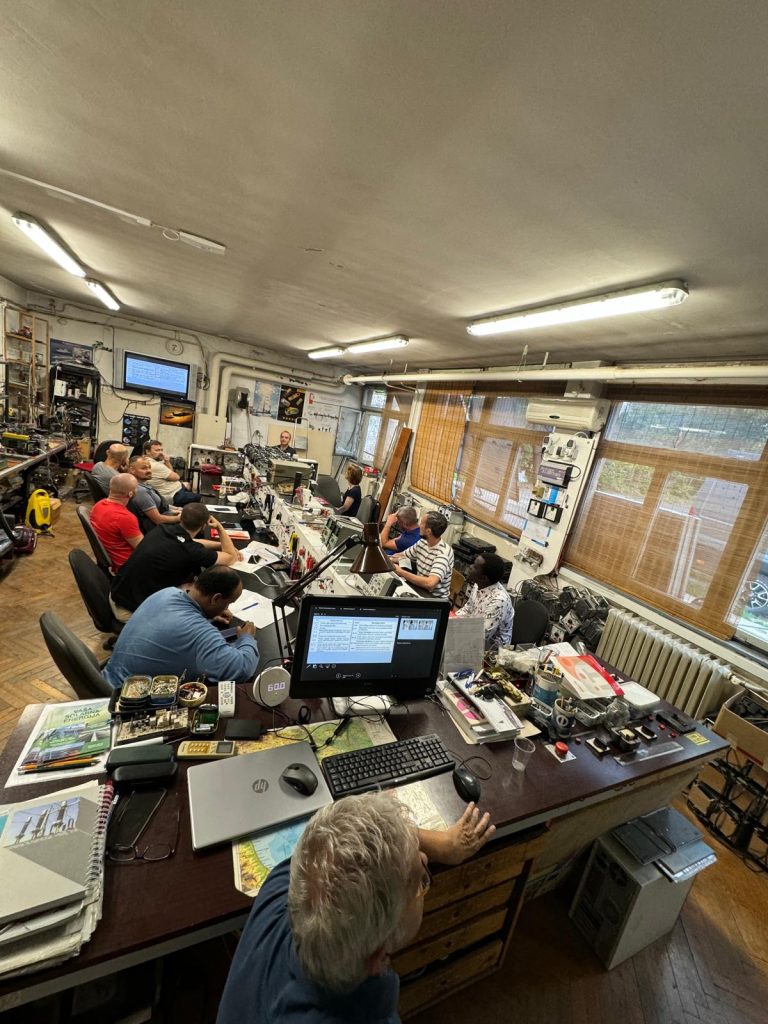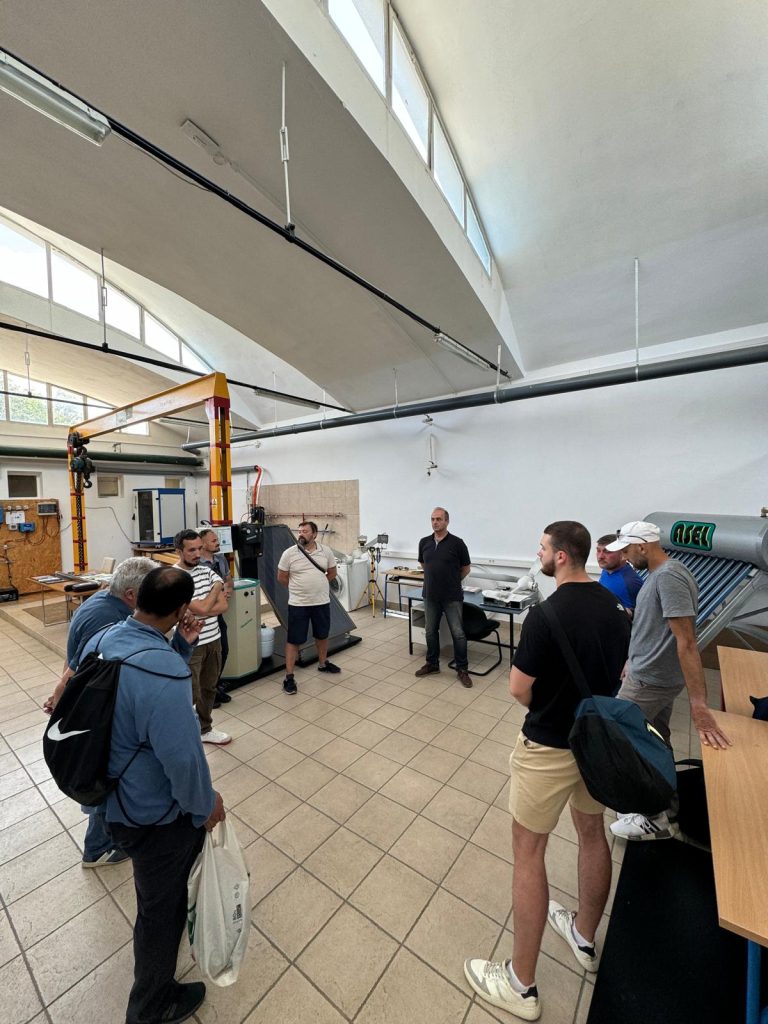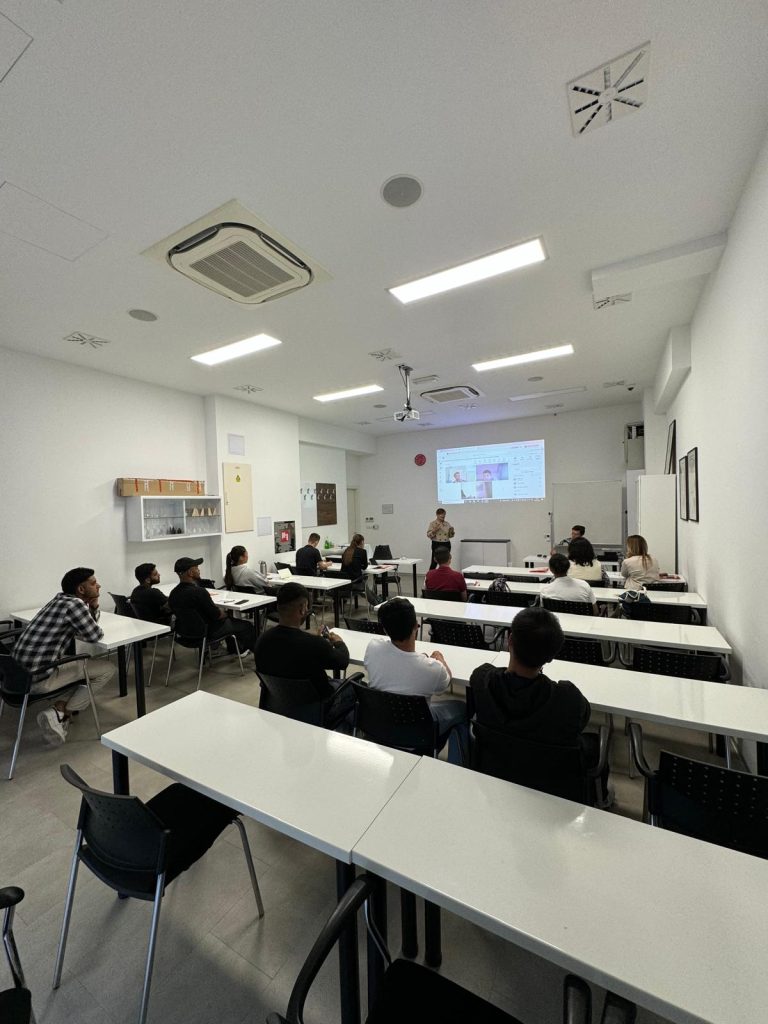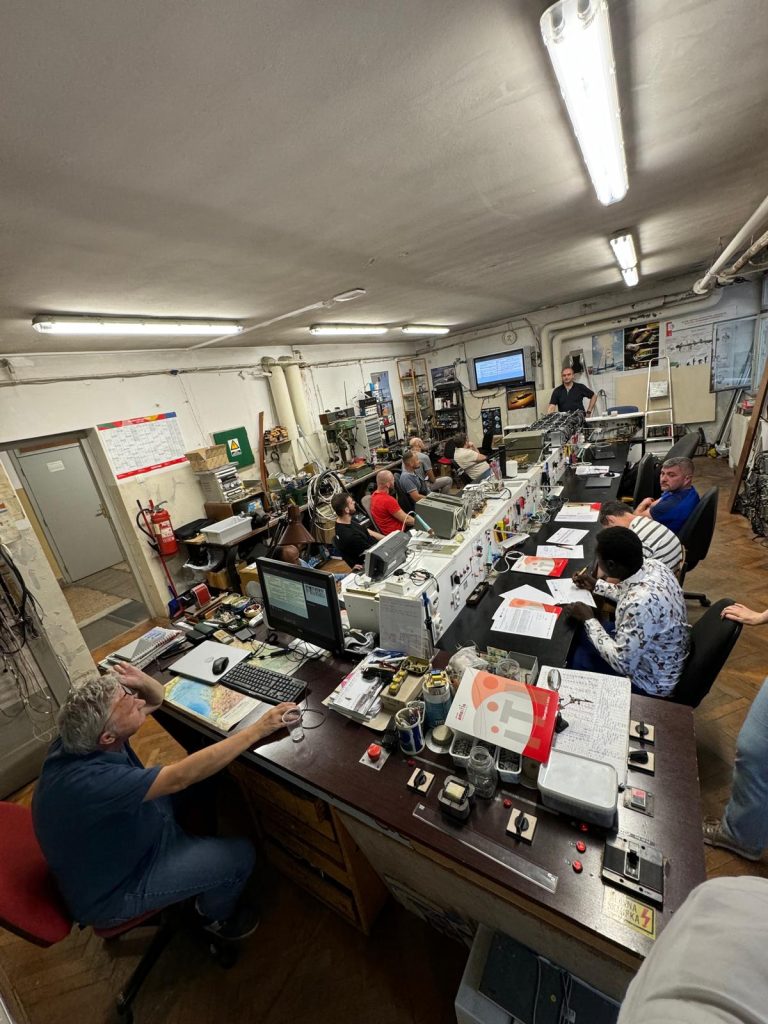
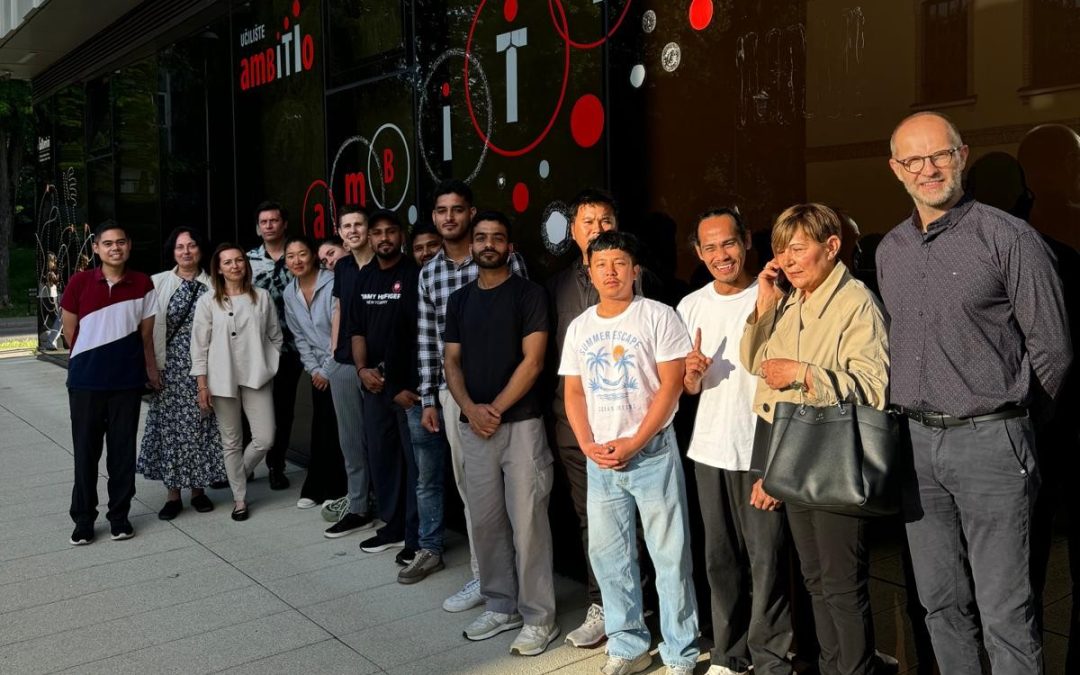
As part of the EMERALD – Empowering Migrant Workers for a Sustainable Future: Education and Training for Green and Digital Jobs project, the implementation of two free education programmes for third-country nationals has successfully begun: Organic Vegetable Production and Photovoltaic System Installation.
Participants have shown strong interest in the programme content, actively engaged in the classes, and expressed great satisfaction with the teaching methods, instructors, and overall organisation. They particularly appreciate the combination of theoretical knowledge and practical skills that will enhance their employment opportunities. Many participants described both programmes as engaging, highly relevant, and well designed, with several already asking when the next training cycles will be organised.
Over the coming weeks, participants will continue with the theoretical component of the programmes, followed by work-based learning through practical training with employers or in a specialised laboratory, depending on the programme they are attending. As an additional form of support, Croatian language classes are also included, helping participants improve their everyday communication skills, integrate more easily into the workplace, and become more actively involved in Croatian society.
The Organic Vegetable Production programme equips participants with knowledge and skills in planning and preparing organic vegetable gardens, organic crop cultivation and plant protection, biodynamic agriculture, greenhouse production, and sustainable development.
The Photovoltaic System Installation programme focuses on developing practical competencies in photovoltaic system measurement and installation, occupational health and safety, safe working practices, and the sustainable management and recycling of solar energy systems.
The EMERALD project is implemented under the European Policy Experimentation (ERASMUS-EDU-2024-POL-EXP-ADULT) programme. Its objective is to enhance the employability of migrant workers by developing green and digital skills while establishing a sustainable model of cooperation between education providers, employers, and other key stakeholders.
The high level of participant engagement and the overwhelmingly positive initial feedback highlight the importance of initiatives such as these, which contribute to lifelong learning, improved employability, and the successful social and labour market integration of third-country nationals.