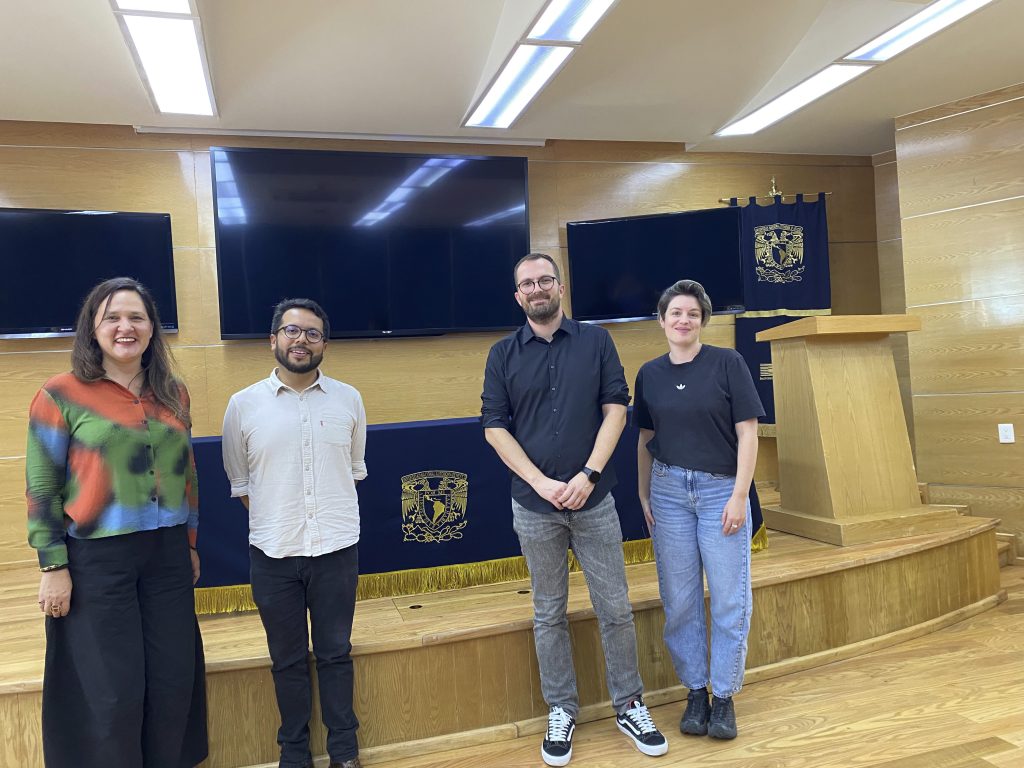
In mid-October 2026, IRMO researchers Dr Paško Bilić and Dr Jaka Primorac, together with research assistant Nikolina Rajković, visited Mexico City, where they presented findings from the second and third years of the research project DEVELOPER – Digital Data, Infrastructures and Development, funded by the Croatian Science Foundation.
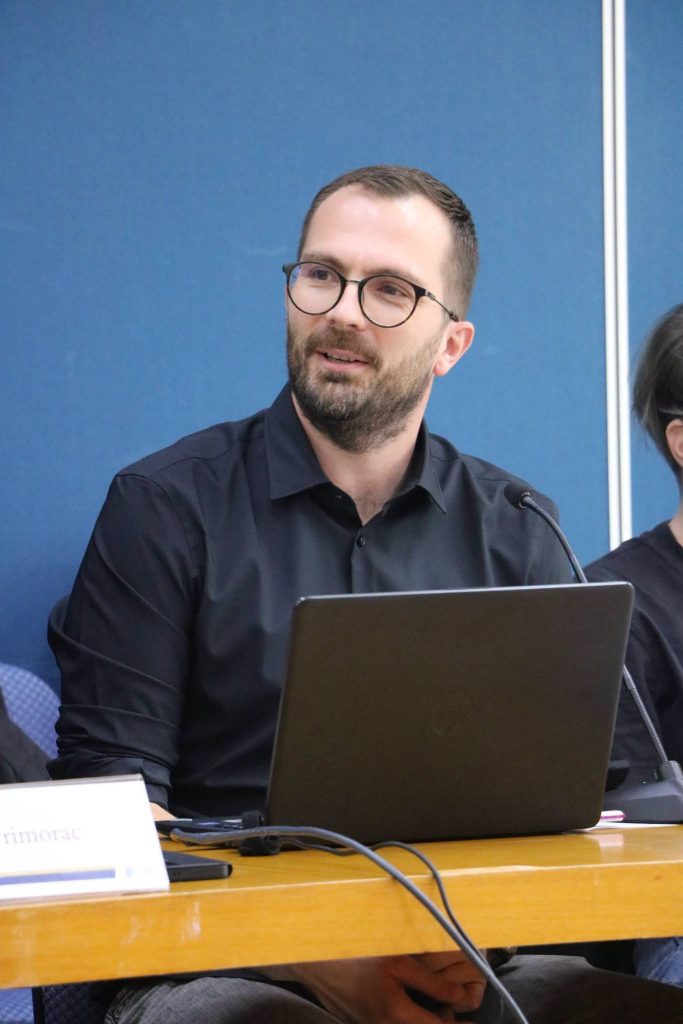
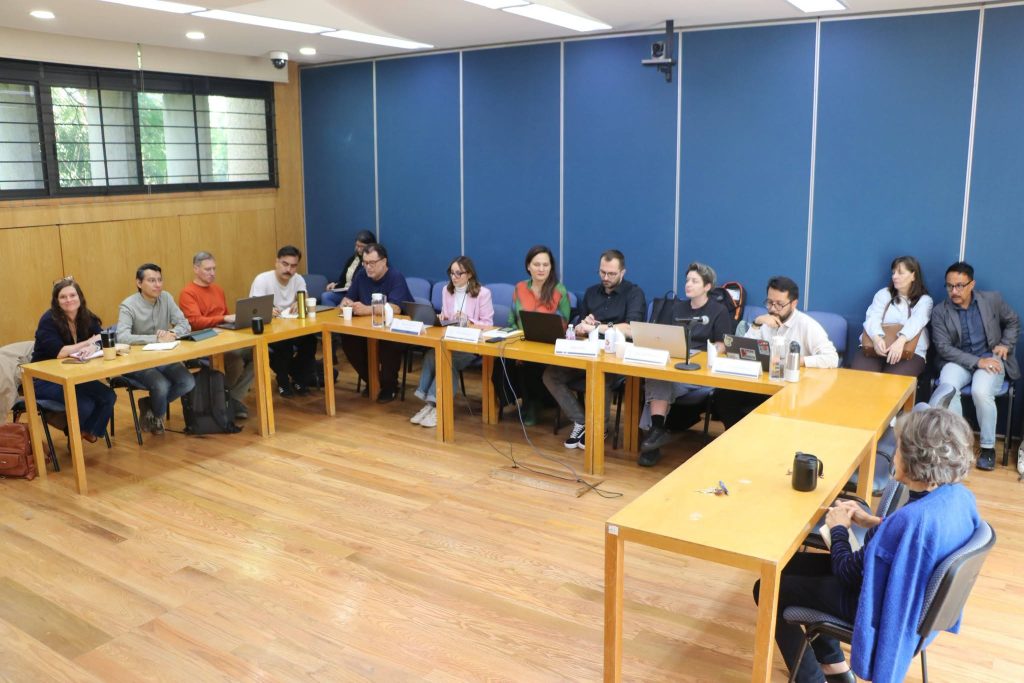
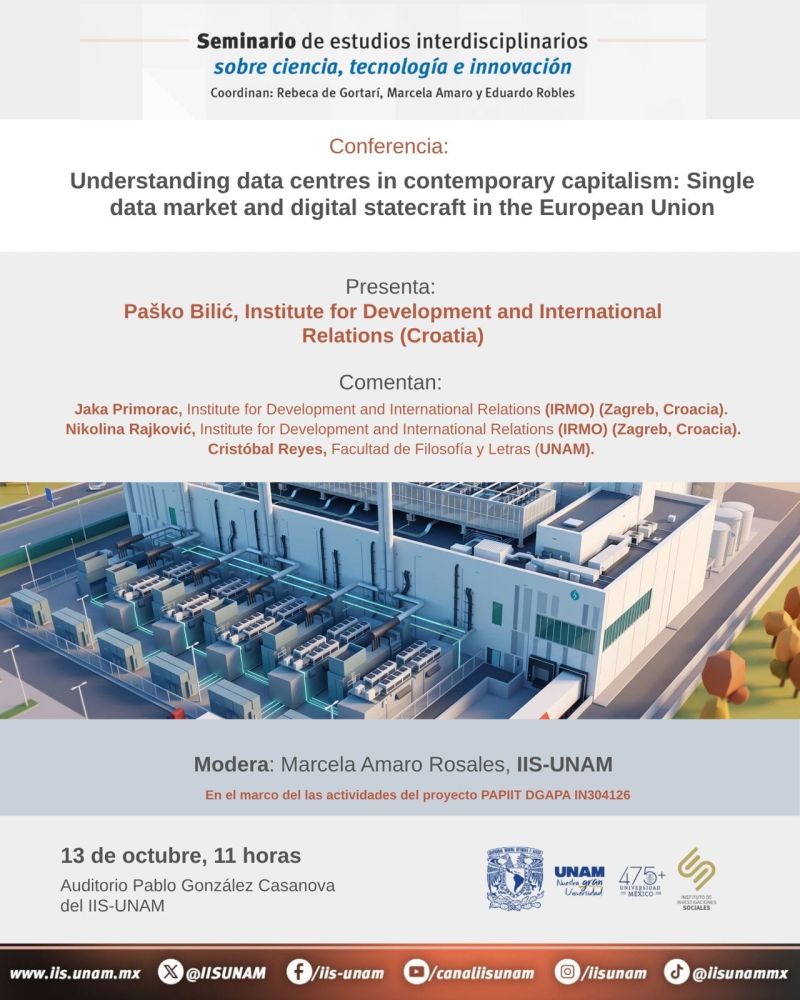
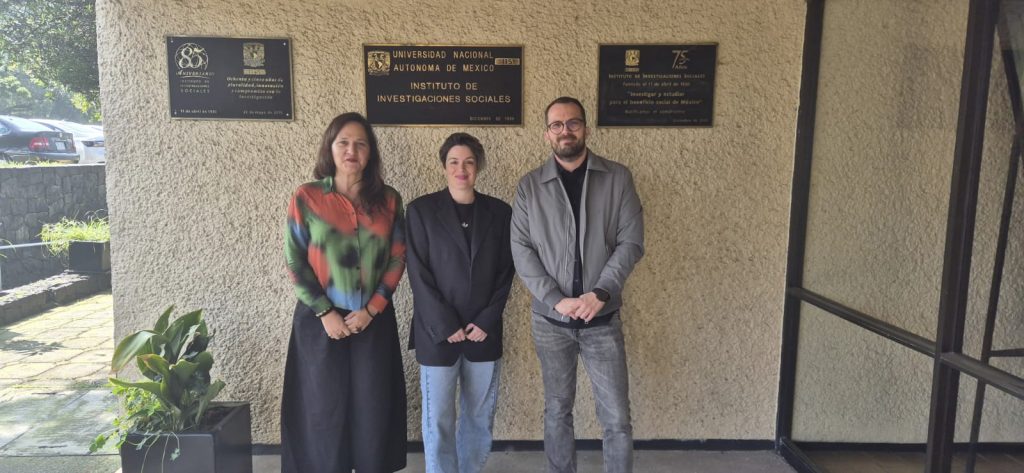
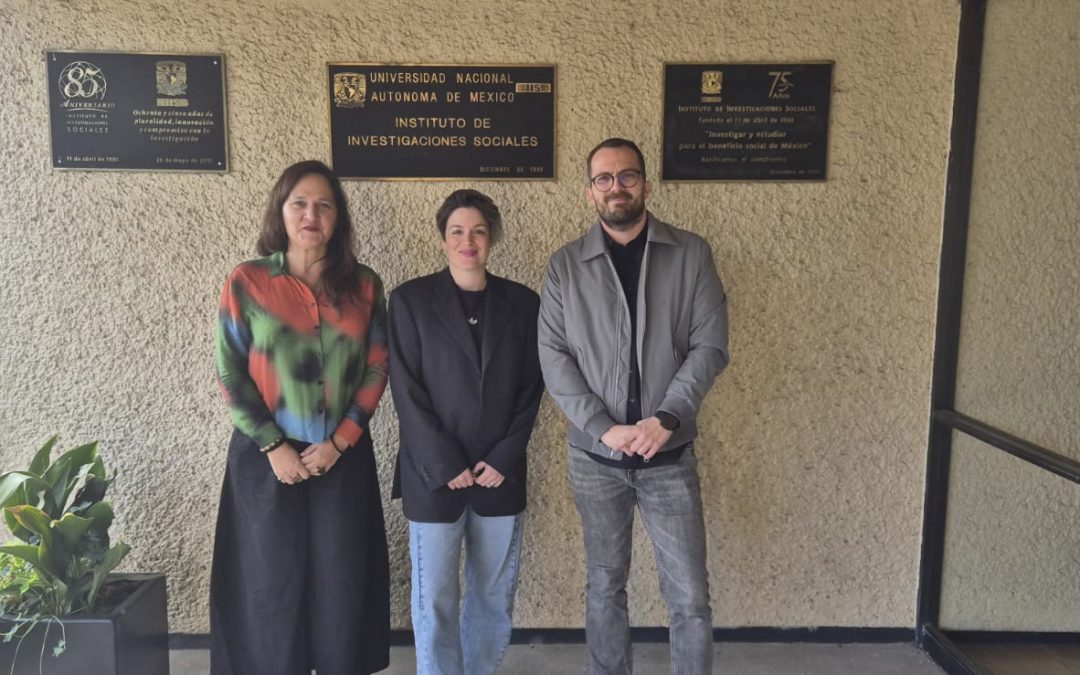
At the invitation of Dr Raúl Ornelas, Senior Researcher at the Institute of Economic Research of the National Autonomous University of Mexico (UNAM), Dr Paško Bilić delivered a lecture at the Institute of Social Research entitled “Understanding Data Centres in Contemporary Capitalism: Single Data Market and Digital Statecraft in the European Union”.
The lecture was moderated by Cristóbal Reyes (Faculty of Philosophy and Letters, UNAM), while Dr Jaka Primorac and Nikolina Rajković provided comments on the presentation. The lecture attracted a large audience of students and professors and sparked a lively discussion, highlighting the importance and relevance of data centres and the role of countries on the periphery of their global ecosystem. The event was held in English and is available at the following link: https://www.youtube.com/live/GPbLv9IIQJ4
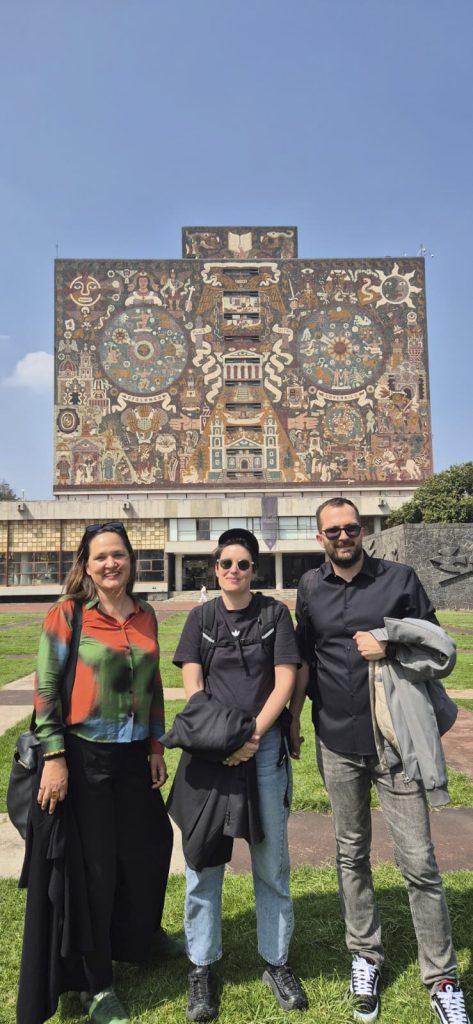
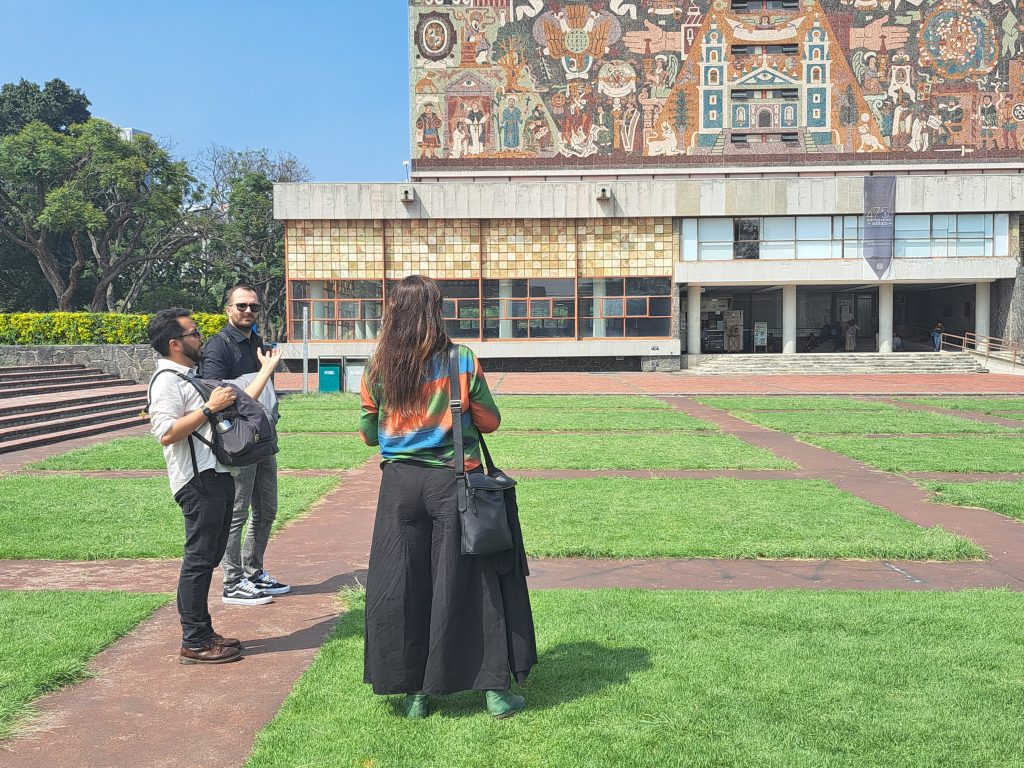
During their stay, the researchers also visited UNAM’s Central Library and university campus, which are part of the UNESCO World Heritage Site.
As part of their research visit to Mexico City, the researchers participated in the 27th International Conference of the Association of Internet Researchers (AoIR), entitled “Regeneration(s)”, held from 14 to 17 October 2026. The conference is one of the most prominent international academic events dedicated to the study of digital society, digital infrastructures and contemporary sociotechnical transformations. It was organised by researchers affiliated with institutions such as the University of California, Los Angeles (UCLA), Tecnológico de Monterrey, the Massachusetts Institute of Technology (MIT) and the Platform Observatory.
The conference brought together several hundred participants from around the world, addressing topics such as artificial intelligence and the future of AI-generated digital technologies, the transformation of digital networks and online communities, digital inequalities, the ethical and responsible use of AI technologies, and the sustainability of the infrastructures underpinning them. These topics were explored through the concept of regeneration, understood as a process of technological, cultural, political, artistic and infrastructural renewal.
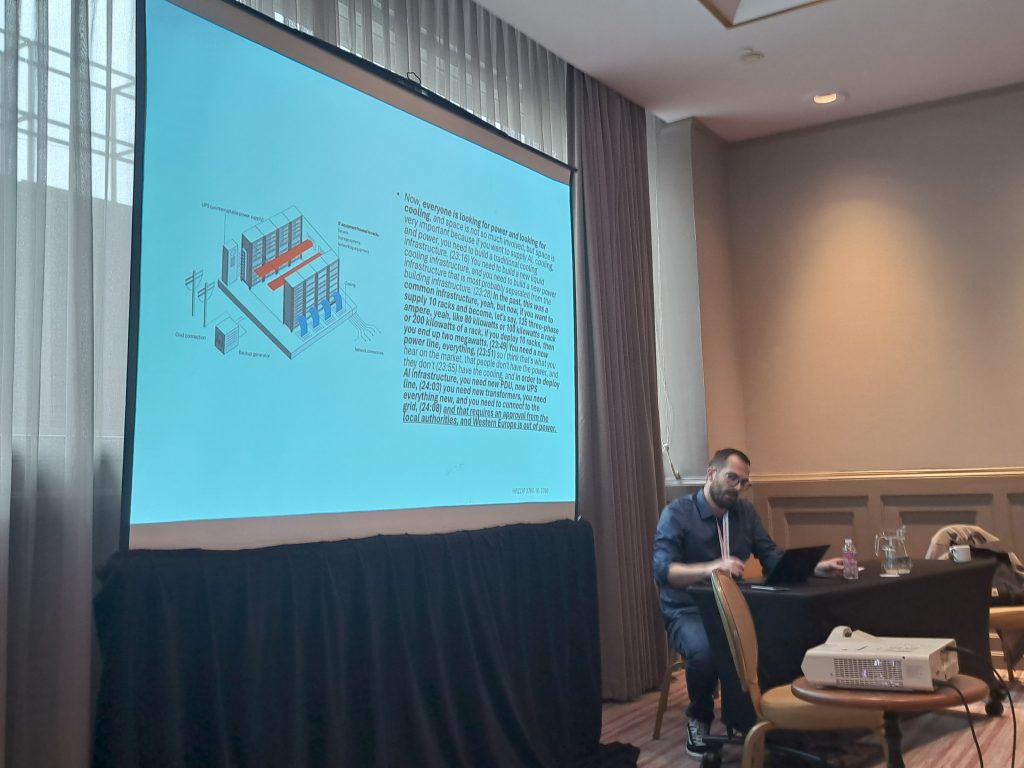
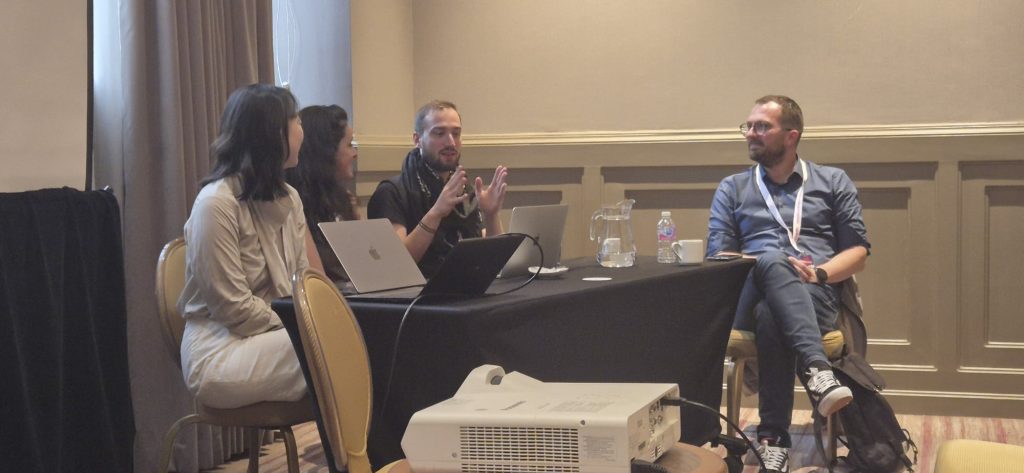
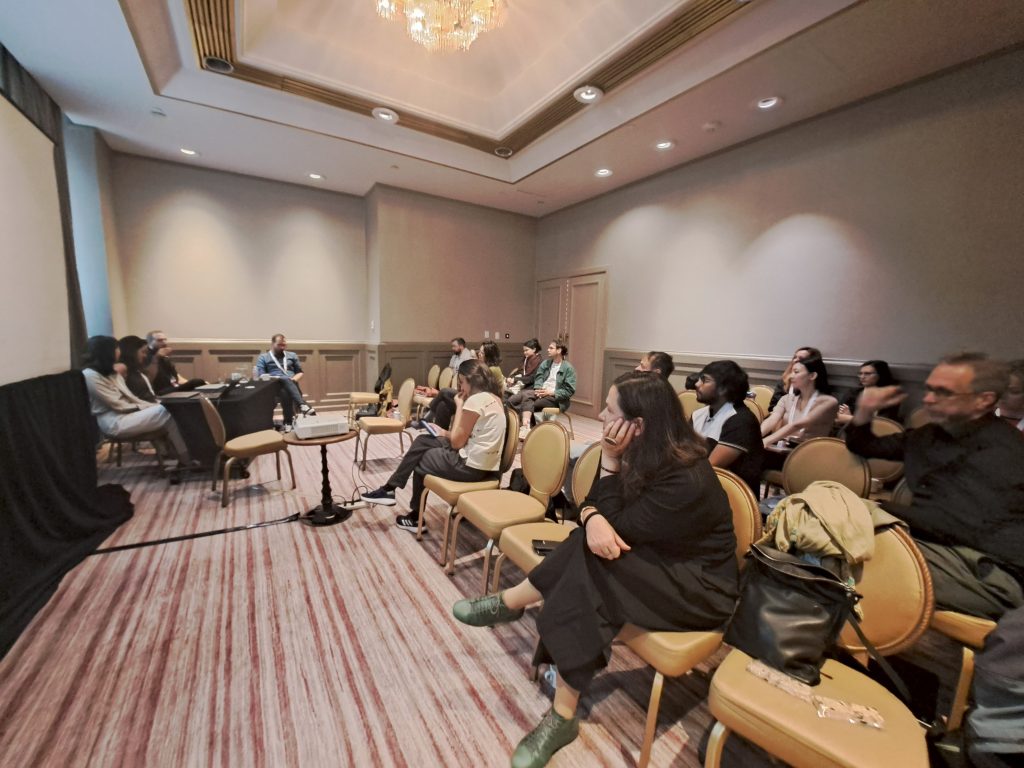
During the panel session “Data Centres: Development, Industrial Policy, and Political Economy”, Dr Paško Bilić, Dr Jaka Primorac and Nikolina Rajković presented their research paper entitled “‘Catching Up’ with the Future? Data Centres Imaginaries from the European Periphery”.
The paper draws on an analysis of 80 semi-structured interviews conducted in Croatia during 2025 and 2026 with representatives of the data centre ecosystem. Building on theories of infrastructural power, dependency and sociotechnical imaginaries, the study examines data centres not merely as technical infrastructures but also as instruments of economic and geopolitical power. Particular emphasis is placed on the unequal relationship between the centre and the periphery within the European Union, as well as the growing interest in investments in data infrastructure in countries such as Croatia, alongside the associated energy and environmental risks. A dynamic discussion was further encouraged by comparisons with presentations by other panellists, who provided examples of the expansion of data centre infrastructure in Greece, Brazil and South Korea.
The findings of the DEVELOPER project, presented at the National Autonomous University of Mexico and the Association of Internet Researchers conference, generated considerable interest among academic audiences in the development and challenges of digital infrastructure in Croatia. Through this exchange of experiences and knowledge, IRMO researchers strengthened the Institute’s network of contacts and collaborations beyond Europe, creating new opportunities for future international cooperation and enhancing the international visibility of IRMO’s scientific contributions.