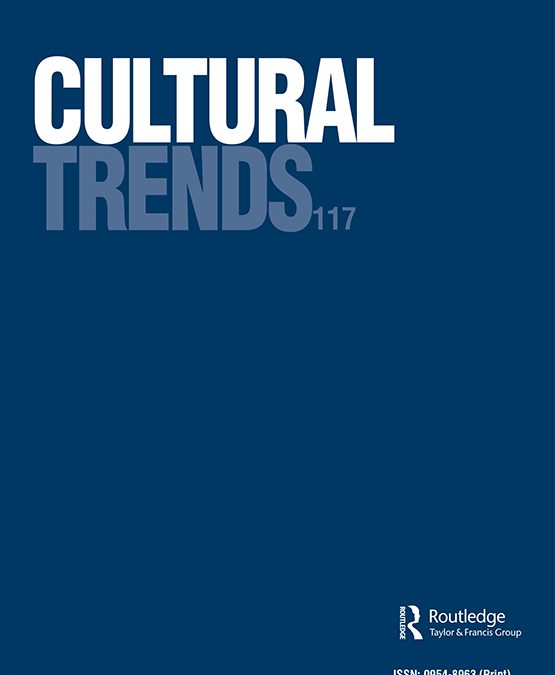
Article: Case study Culturelink: re-examining network’s legacy as inspiration for transformative cultural policies
Publisher: Taylor&Francis group
Year: 2026., Vol.35, br.1
The paper critically analyses the impact of the Culturelink network over three decades, emphasising its ongoing relevance as a key reference and inspiration for developing transformative cultural policies. Established in 1989 through a joint initiative of UNESCO and the Council of Europe within the scope of the World Decade for Cultural Development, the Culturelink network was created as a “network of networks.” Its goal was to break research isolation and foster cooperation in cultural development, especially in international cultural collaboration. With its central coordination hub at IRMO in Croatia, Culturelink has developed a unique research profile, grounded in a commitment to global cultural development and a decentralised epistemological perspective. It offers a platform for the fair participation of diverse voices from all continents in debates about the main challenges facing contemporary cultural policy. By systematically analysing the network’s growth,
research activities, publications, cooperations and events, the paper highlights Culturelink’s role in shaping international cultural policy discourse. The article identifies structural imbalances influencing contemporary international cultural relations and policy processes, emphasising the need to incorporate social justice and decolonisation principles as foundational elements of cultural policy. In this context, the paper raises broader questions about the role of such research networks in promoting future research and transforming cultural policies.
The paper is available via this link, and the first 50 readers may access a free e-print.