
Contact:
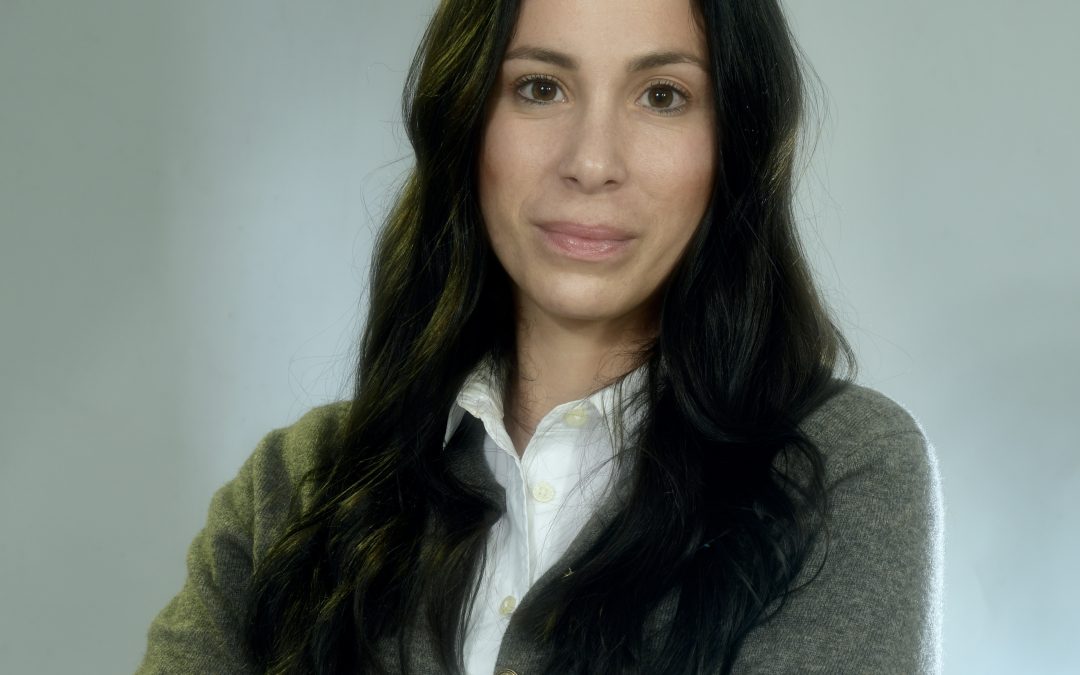
Marta Šveb Dragija
+385 1 487 7460
marta.sveb.dragija@irmo.hr
Bibliography:
Croatian scientific bibliography
Job title: Research assistant
Marta Šveb Dragija is a Research Assistant at the Department for Culture and Communication at the Institute for Development and International Relations (IRMO), where she has been engaged since 2020 in scientific and professional projects in the fields of cultural policy, museum and cultural management, and the cultural and creative sectors. Since 2022, she has been a PhD candidate in Psychology at the Faculty of Social and Behavioural Sciences, University of Groningen in the Netherlands, where she investigates psychological processes related to cultural experiences, visitor well-being, and museum experience design.
Her research interests include psychological well-being and health in museum and cultural tourism experiences, the design and evaluation of cultural programmes, sustainable tourism, cultural policy, and participatory models of heritage governance. She is an active member of the European Association of Social Psychology (EASP) and collaborates with international research teams in social psychology, museum studies, and cultural tourism.
At IRMO, she contributes to research projects and strategic documents, including the development of the Cultural Development Programme of the City of Zagreb 2024–2030, where she was a member of the expert team responsible for analysing the cultural system, implementing participatory methods, and formulating developmental priorities and cultural policy measures.
She is the author and co-author of several scientific publications in internationally peer-reviewed journals and edited volumes. Her recent scholarly work addresses topics such as museum well-being, cultural tourism experiences, eudaimonic and sustainable tourism, human resources in museums, and partnership models in heritage governance.
In her research, she aims to integrate psychological insights with the needs of the cultural sector to contribute to the development of cultural institutions as spaces of learning, well-being, and social transformation.