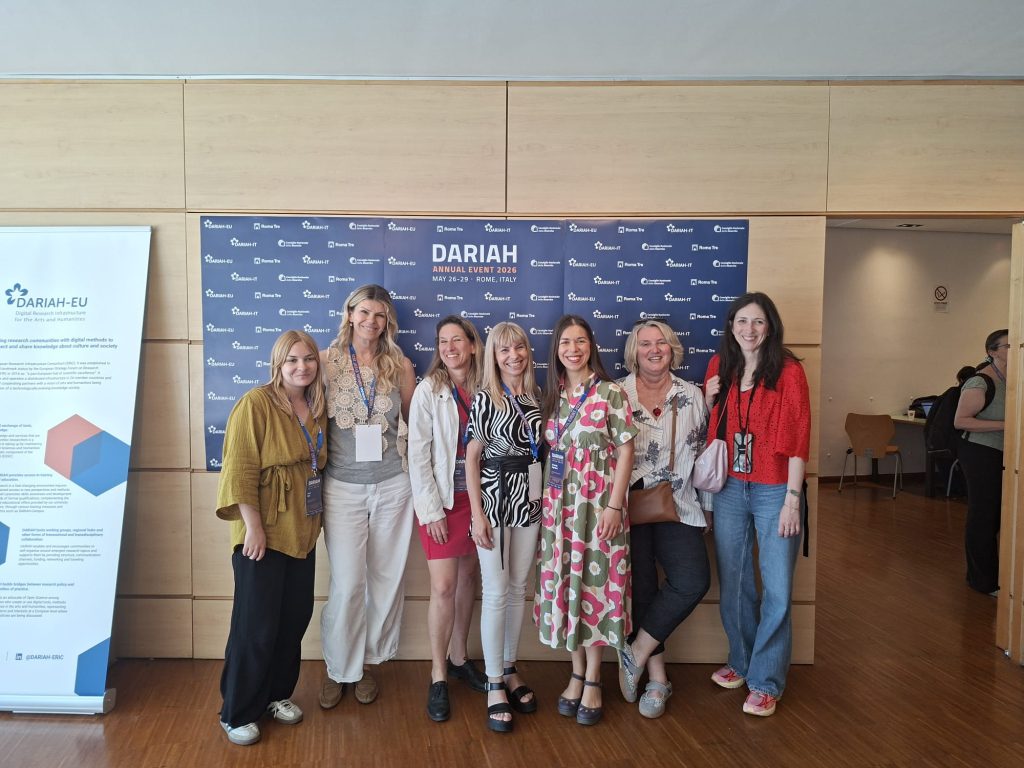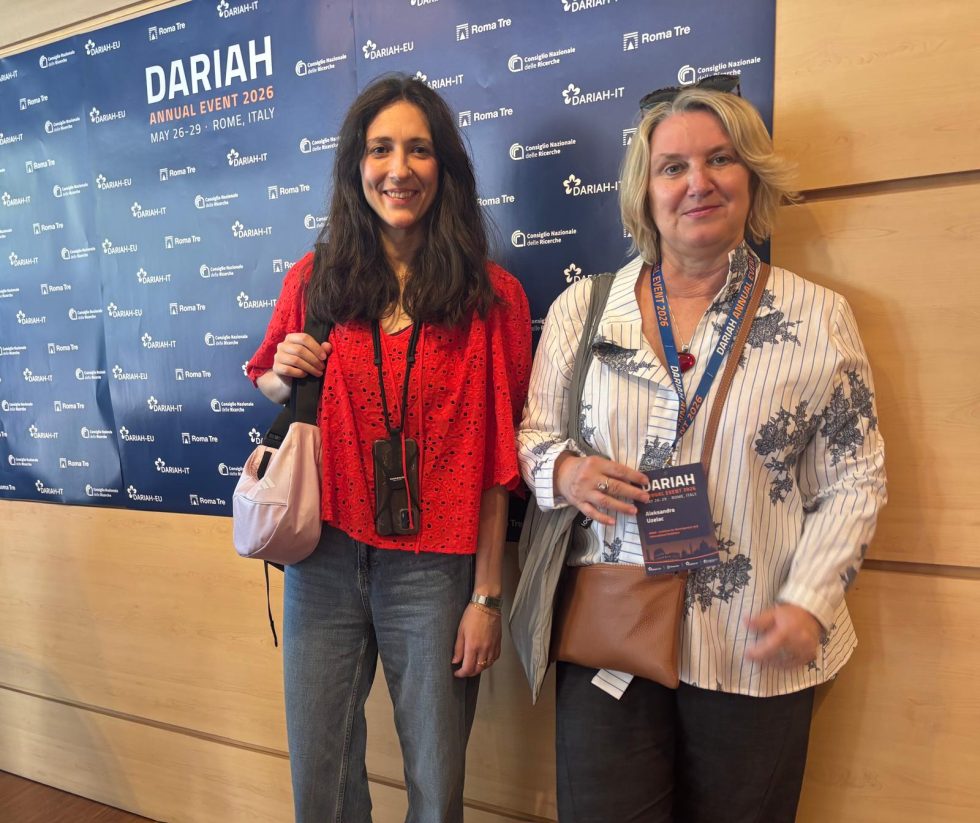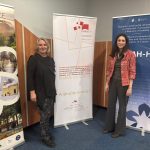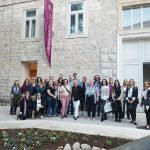

Dr Barbara Lovrinić Higgins and Dr Aleksandra Uzelac, CULTMED collaborators, participated in the DARIAH 2026 Annual Event (Digital Research Infrastructure for the Arts and Humanities), held from 26 to 29 May 2026 at Roma Tre University in Rome, Italy. The conference theme, “Digital Arts and Humanities With and For Society: Building Infrastructures of Engagement,” brought together more than 260 experts from 36 countries.
The programme featured 15 paper sessions, 7 panels, and 59 posters, showcasing research on collaborative infrastructures for cultural heritage, the CARE principles, pedagogies of engagement, and other current topics in the field of digital humanities.
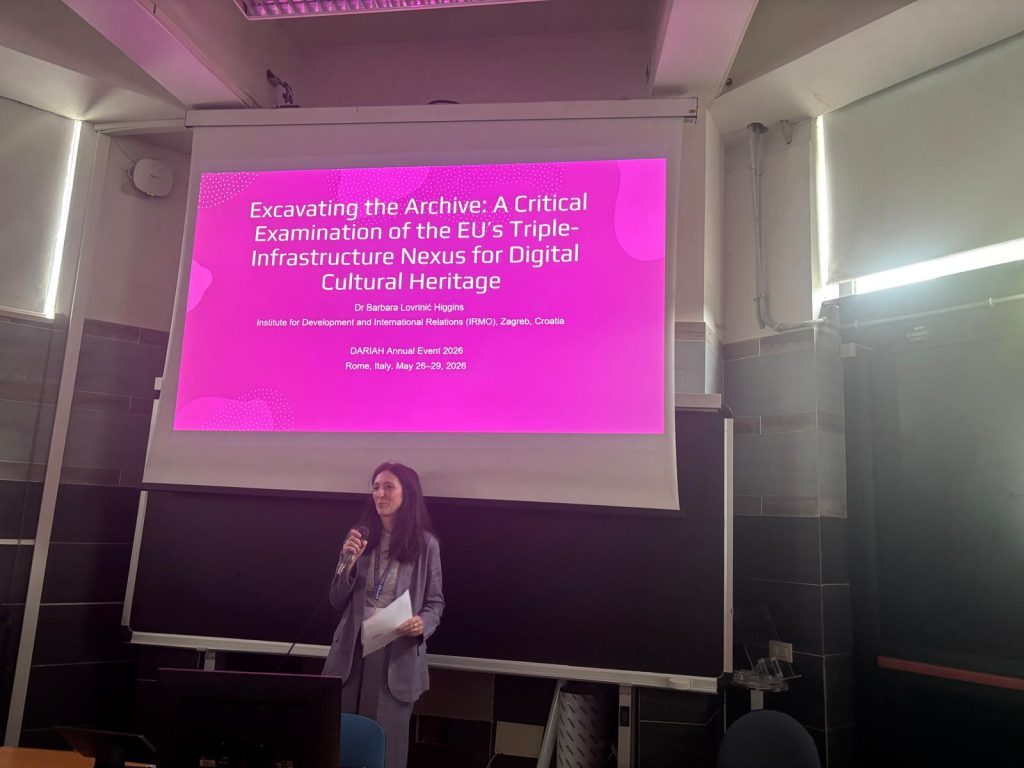
In the session Heritage Infrastructure as Critical Infrastructure – Strategies to Build Resilient Infrastructure for Engagement and Public Good, Barbara Lovrinić Higgins presented the paper “Excavating the Archive: A Critical Examination of the EU’s Triple-Infrastructure Nexus for Digital Cultural Heritage.” The paper critically analyzes the European infrastructure for digital cultural heritage formed by connecting three infrastructural layers: research infrastructures, data spaces, and initiatives such as the European Collaborative Cloud for Cultural Heritage (ECCCH). The study explored the ways in which policies, standards, and governance models for digital cultural heritage are shaped, as well as the potential consequences of such infrastructural transformations for cultural institutions, researchers, and cultural heritage users.
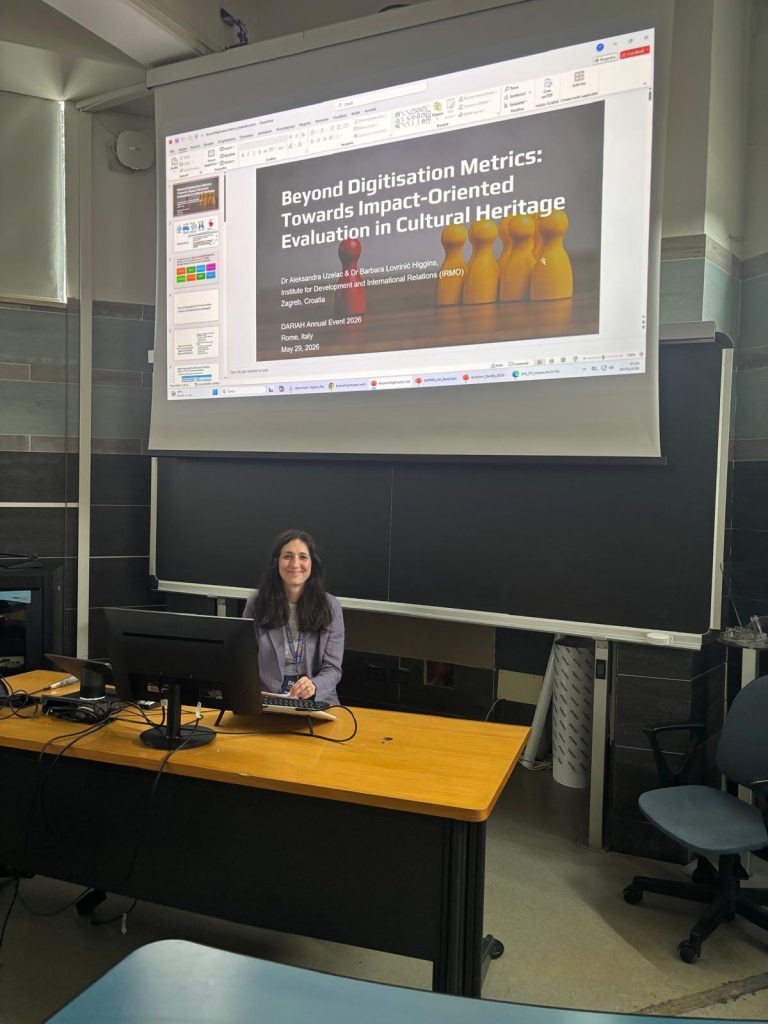
The joint paper by Aleksandra Uzelac and Barbara Lovrinić Higgins, titled “Beyond Digitisation Metrics: Towards Impact-Oriented Evaluation in Cultural Heritage,” was presented in the session Evaluating Impact and Value in Digital Cultural Heritage: Infrastructures, Institutions, and Engagement. This paper addressed the issue of assessing the impact of digital cultural heritage. It questions the prevailing approaches to evaluating digitization projects, which often measure success primarily through quantitative indicators—such as the number of digitized objects or the usage of digital platforms—and advocates for the development of approaches aimed at understanding the broader social, cultural, and institutional impact of digital heritage. Special attention was dedicated to existing European impact assessment frameworks and the challenges of measuring long-term and qualitative changes that digital cultural heritage can stimulate.