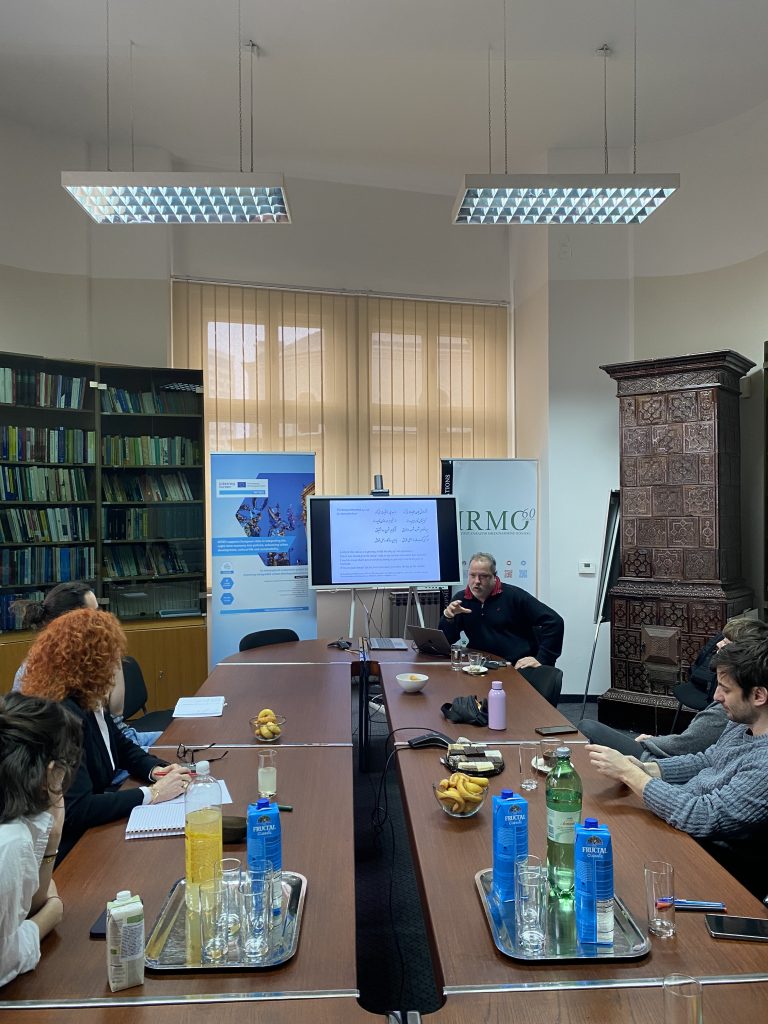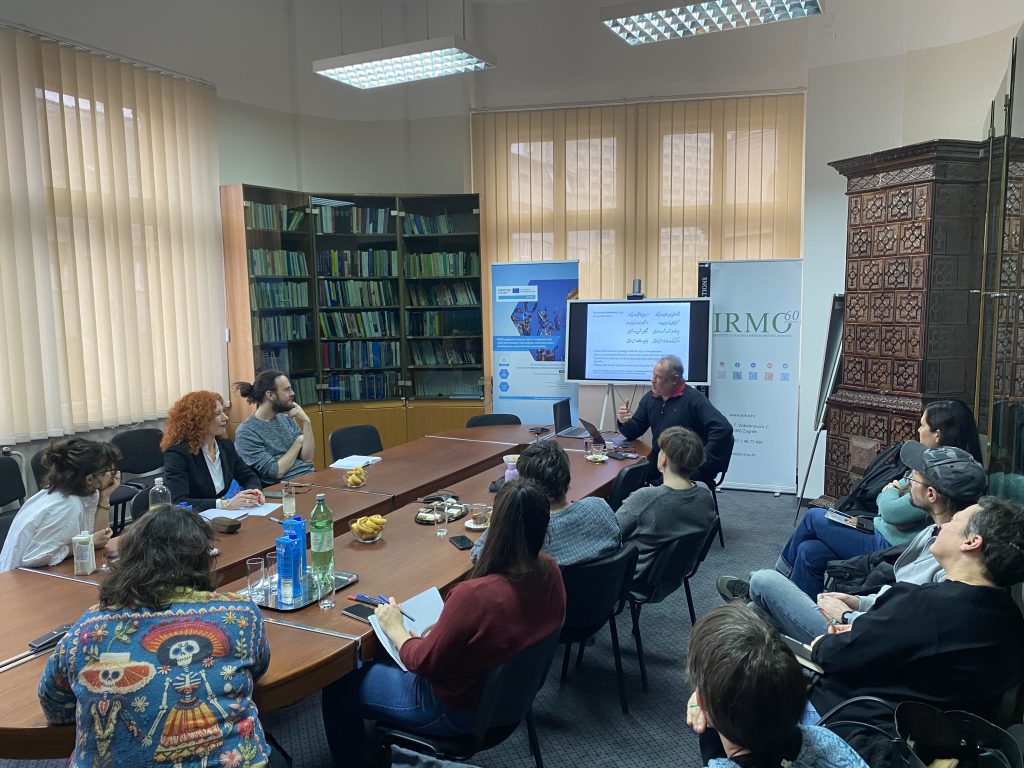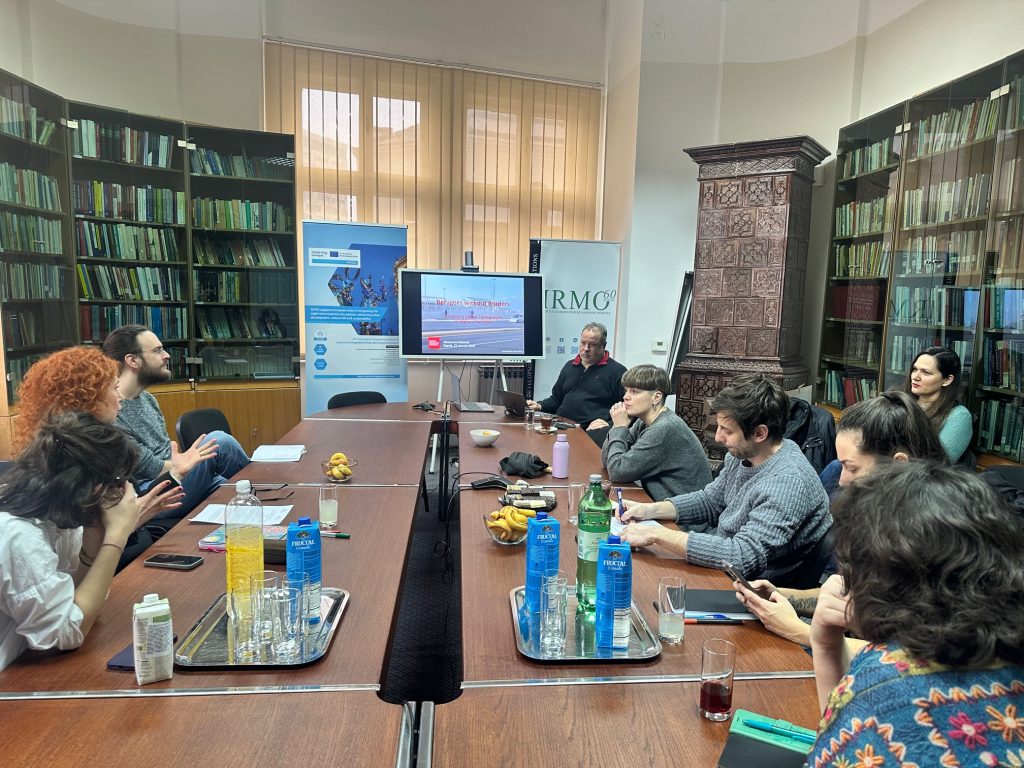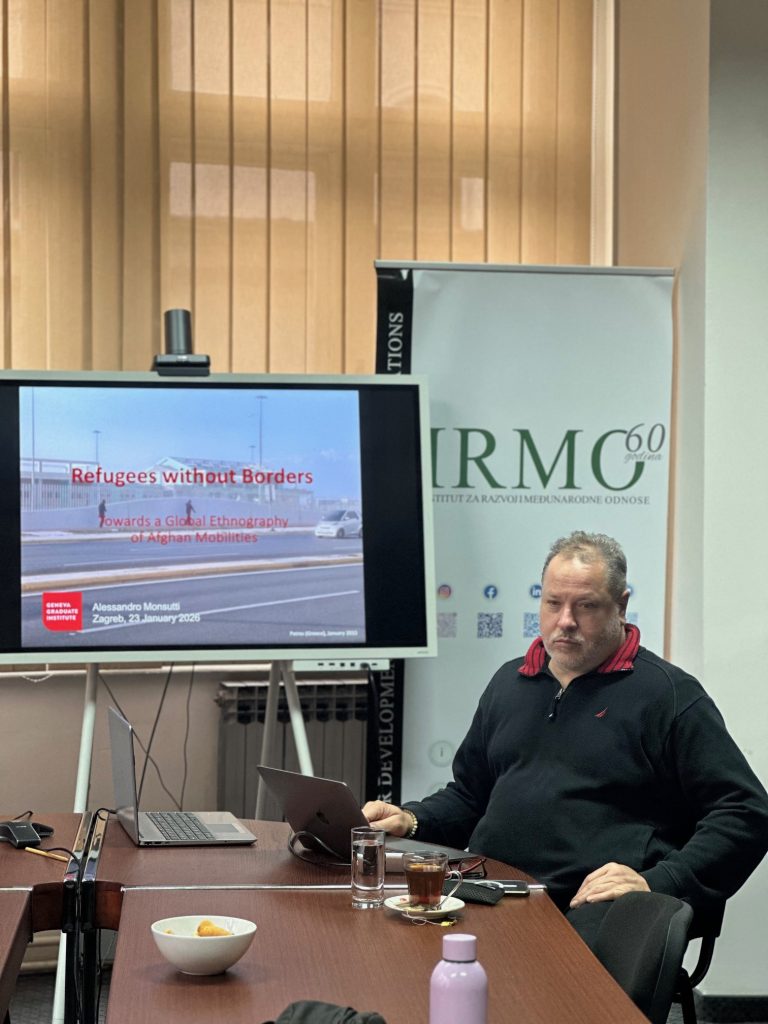
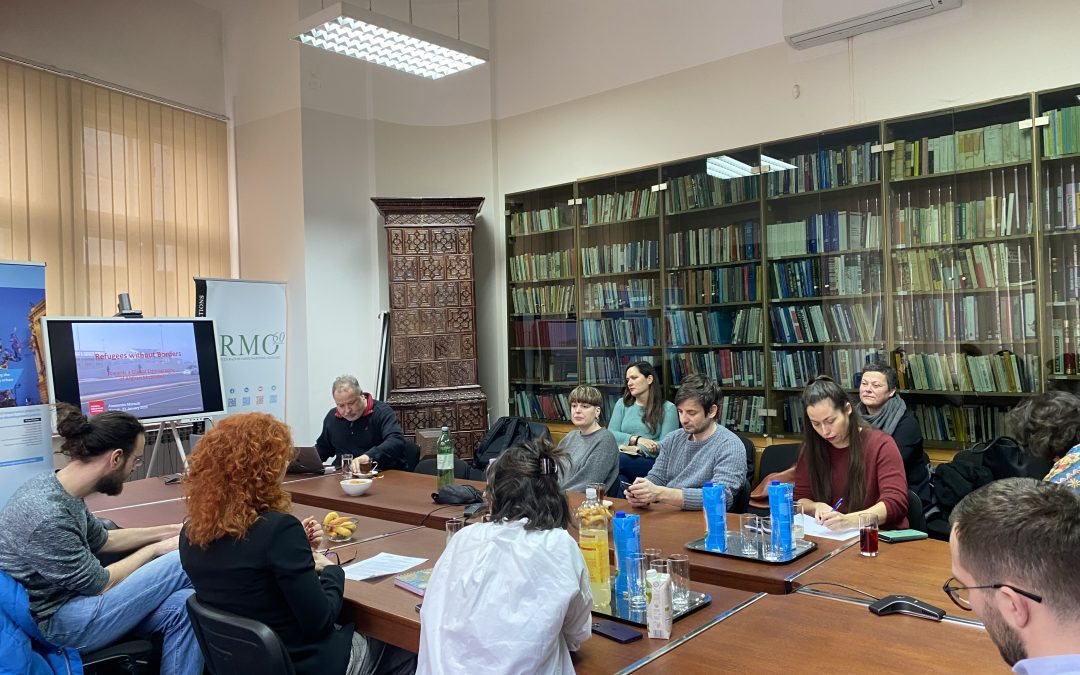
On 23 January, the Centre for Migration Studies of the Institute for Development and International Relations hosted Professor Alessandro Monsutti, who delivered a lecture entitled “Refugees Without Borders: Towards a Global Ethnography of Afghan Mobilities.”
Alessandro Monsutti is a full professor of anthropology and sociology at the Graduate Institute of International and Development Studies in Geneva, Switzerland. Since the mid-1990s, he has conducted extensive ethnographic research in Afghanistan, Pakistan, and Iran, as well as among Afghan refugees and migrants in Europe and North America. He is the author of the books War and Migration: Social Networks and Economic Strategies of the Hazaras of Afghanistan and Homo itinerans: Towards a Global Ethnography of Afghanistan.
The lecture addressed the concept of refugees as one of the key political figures of our time. Today, the notion of the refugee has become a source of profound ontological and political unease for nation-states, calling into question fundamental assumptions about sovereignty, borders, and belonging. What is most often proposed as a solution to migration is based on the idea that migration must stop; however, the entire history of humanity is a history of migration. Professor Monsutti argues that it is necessary to think about migration beyond the framework of the nation-state, drawing on the strategies of mobility employed by Afghan refugees. During the lecture, the professor emphasized that most refugees are guided by the belief that there is death in immobility. Following the lecture, a discussion developed on the position of women and their opportunities to participate in mobility, as well as on the suffering caused by immobility. Attention was also given to the challenges of refugee mobility, as refugees often face difficult and dark circumstances along their journeys.
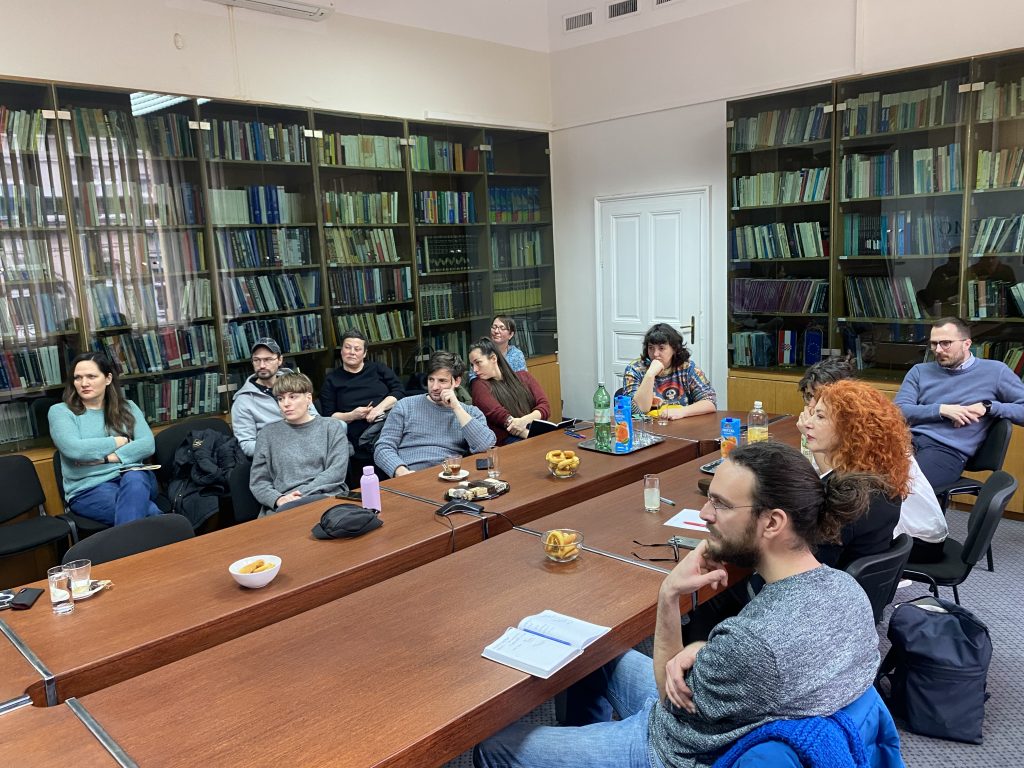
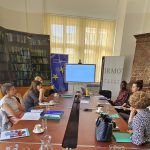
The lecture was attended by 15 participants from the Institute for Development and International Relations, as well as from partner organizations, including the Faculty of Law and the Faculty of Humanities and Social Sciences, the Institute of Ethnology and Folklore Research, the Centre for Peace Studies, the Centre for Theatre of the Oppressed POKAZ, and the Novosti portal.