The Dinaric Karst Aquifer System is a vital shared resource, sustaining local economies, ecosystems, and communities. As a transboundary aquifer, however, the pressures it faces do not stop at borders.
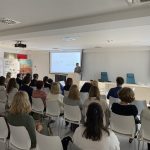
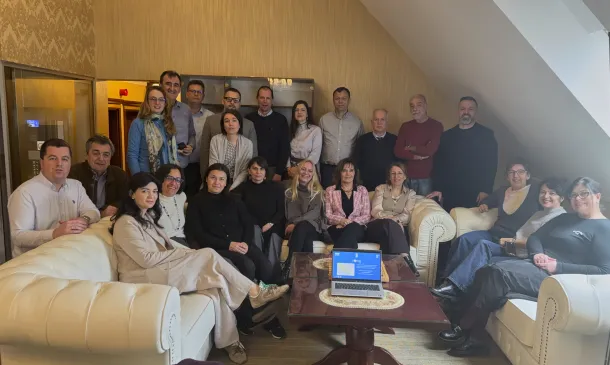
To advance common strategies, UNESCO and national experts from Albania, Bosnia and Herzegovina, Croatia, and Montenegro gathered for the 3rd in-person expert meeting of the GEF project ‘Implementation of the Strategic Action Programme (SAP) of the Dinaric Karst Aquifer System: Improving Groundwater Governance and Sustainability of Related Ecosystems’ (DIKTAS II), implemented by UNDP and executed by UNESCO.
Held on 16-17 March 2026, in Trebinje, Bosnia and Herzegovina, the meeting marked a shift from planning to delivery. By reviewing project’s outputs, agreements, and governance, participants reached a key milestone ahead of the mid-term review.
Translating technical work into operational and coordinated action on the ground emerged as a clear priority throughout the discussions. This includes aligning monitoring approaches, improving data sharing, and strengthening cross-border coordination so institutions can act on a common trusted evidence base.
By bringing together countries and disciplines, a major outcome was the agreement on a shared roadmap for the project’s mid-term review, an essential tool to track progress, confirm priorities, and guide the next phase of coordinated work across countries.
Discussions also highlighted that a lasting protection of the aquifer requires an enabling environment – not only strong science. Differences in technical capacity, gaps in long-term monitoring, and governance challenges call for sustained engagement and expert guidance.
In the coming months, national experts will embark on targeted field missions to collect additional data, refine technical reports, and capture through interviews perspectives from across the basin. These efforts will be backed by stronger outreach, among which the launch of the DIKTAS II website and its first newsletter.
Ultimately, DIKTAS II aims to deliver impact: supporting stronger groundwater governance and more resilient water management, and better protection of drinking water supplies and groundwater-dependent ecosystems.
The meeting closed with a strong message: a common aquifer means shared pressures but also shared solutions. By aligning monitoring, coordination, and communication, countries are better equipped to protect this essential shared resource together.
Photo: Ermal Gjinaj
News: UNESCO